




Are Stainless Steel Bottles the Best Eco-Friendly Alternative to Plastic?
March 9, 2026
Plastic bottles have been widely used for decades because they are cheap, lightweight, and convenient. However, growing environmental concerns have led consumers to question whether plastic is still the best option for everyday hydration. As awareness about plastic pollution increases, many people are looking for more sustainable alternatives. Among the various options available, stainless steel bottles have gained significant attention. But are they truly the best eco-friendly alternative to plastic? To answer this question, it is important to examine their environmental impact, durability, health benefits, and long-term practicality.
The Environmental Problem With Plastic Bottles
Plastic waste has become one of the most serious environmental challenges worldwide. Billions of single-use plastic bottles are produced every year, and a large portion of them are discarded after just one use. Although some plastic bottles are recyclable, the global recycling rate remains relatively low.
Many plastic bottles end up in landfills, rivers, or oceans where they can take hundreds of years to decompose. During this time, they break down into microplastics that contaminate ecosystems and potentially enter the food chain. Marine animals are particularly vulnerable to plastic pollution, as they may ingest plastic fragments or become trapped in plastic waste.
Because of these environmental risks, governments and environmental organizations are encouraging consumers to reduce their reliance on single-use plastics. This shift has created a growing demand for reusable drinkware solutions.
Why Stainless Steel Bottles Are Considered Eco-Friendly
Stainless steel bottles have emerged as one of the most popular reusable alternatives to plastic. Their eco-friendly reputation comes from several important characteristics.
First, stainless steel bottles are highly durable. A single bottle can be used for many years without losing its functionality. This long lifespan significantly reduces the number of disposable bottles that a person would otherwise consume.
Second, stainless steel is fully recyclable. When a bottle eventually reaches the end of its life cycle, the material can be recycled and reused to produce new products. This reduces the need for raw materials and lowers overall environmental impact.
Third, stainless steel bottles encourage refill culture. Instead of purchasing bottled drinks repeatedly, consumers can refill their bottles at home, at work, or at public water stations. This simple habit dramatically reduces plastic waste over time.
Environmental Comparison
| Feature | Plastic Bottles | Stainless Steel Bottles |
|---|---|---|
| Typical usage | Often single-use | Long-term reusable |
| Decomposition time | Hundreds of years | Fully recyclable |
| Waste generation | Very high | Very low with reuse |
| Environmental impact | Significant pollution | Much lower impact |
This comparison shows why stainless steel bottles are often viewed as a more sustainable option.
Durability and Long-Term Sustainability
Durability is one of the strongest advantages of stainless steel bottles. Plastic bottles are more likely to crack, warp, or degrade after repeated use. Heat exposure and physical pressure can also weaken plastic over time.
In contrast, stainless steel bottles are designed for long-term use. They are resistant to corrosion, rust, and impact. Many high-quality stainless steel bottles can last for years with proper care. Because they do not break easily, they reduce the need for frequent replacements.
From a sustainability perspective, durability is extremely important. The longer a product lasts, the lower its environmental footprint per use. When consumers keep a stainless steel bottle for several years, the environmental cost of manufacturing that bottle is distributed over thousands of uses.
Health and Safety Advantages
Health considerations also influence the shift toward stainless steel bottles. Some consumers worry about the chemicals that may be present in certain plastics. Although many modern plastic bottles are labeled as BPA-free, concerns about chemical exposure still exist.
Stainless steel bottles are typically made from food-grade stainless steel, such as 18/8 steel. This material is stable and does not release harmful chemicals into beverages. It also does not absorb flavors or odors, which helps maintain the taste and freshness of drinks.
Additional safety benefits include:
- Resistance to bacterial growth when properly cleaned
- No chemical reactions with acidic beverages
- Safe storage for both hot and cold drinks
These characteristics make stainless steel bottles suitable for everyday use in homes, workplaces, and outdoor environments.
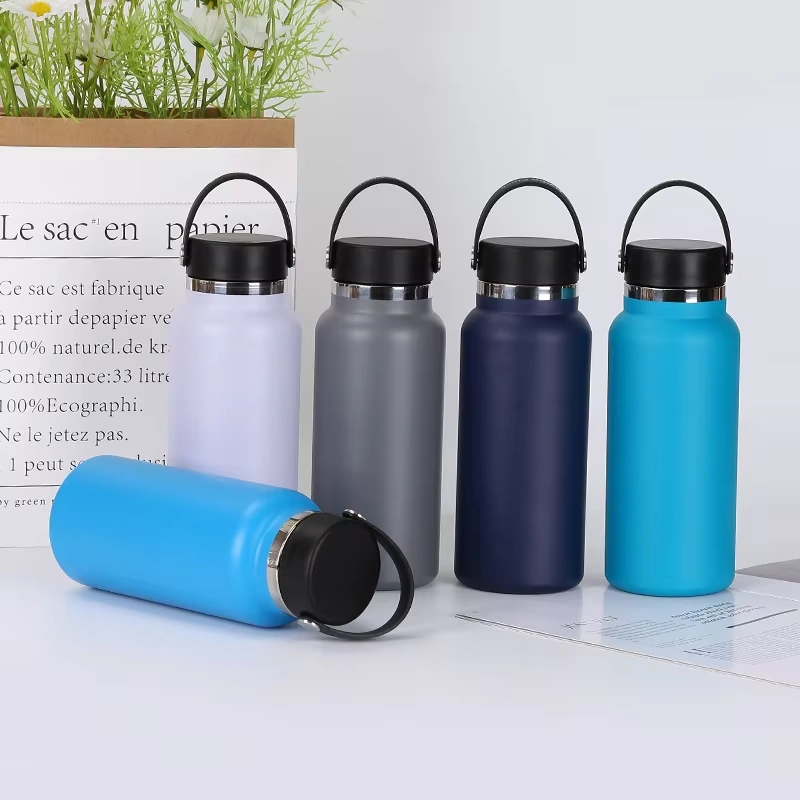
Performance and Temperature Control
Another advantage of stainless steel bottles is their superior temperature retention. Many modern bottles feature double-wall vacuum insulation, which helps maintain the temperature of beverages for extended periods.
This technology allows hot drinks such as coffee or tea to stay warm for several hours, while cold drinks can remain chilled for most of the day. This level of temperature control is difficult to achieve with standard plastic bottles.
Temperature Retention Comparison
| Bottle Type | Hot Drink Retention | Cold Drink Retention |
|---|---|---|
| Plastic bottle | 1–2 hours | 2–3 hours |
| Single-wall steel bottle | 2–3 hours | 4–6 hours |
| Vacuum insulated steel bottle | 8–12 hours | 12–24 hours |
For commuters, travelers, and outdoor enthusiasts, this feature greatly improves convenience and usability.
Are There Any Environmental Drawbacks?
While stainless steel bottles are widely considered eco-friendly, it is important to acknowledge that manufacturing them requires more energy than producing a single plastic bottle. Mining raw materials and processing stainless steel involves industrial processes that consume energy and resources.
However, this initial environmental cost is offset by the bottle’s long lifespan. When a stainless steel bottle replaces hundreds or even thousands of disposable plastic bottles, its overall environmental impact becomes significantly lower over time.
Therefore, the sustainability of stainless steel bottles depends on how often they are used. The more frequently they are reused, the greater their environmental advantage becomes.
Key Reasons Consumers Choose Stainless Steel Bottles
Several factors explain why stainless steel bottles are becoming the preferred alternative to plastic:
- Long lifespan and exceptional durability
- Reusable design that reduces plastic waste
- Safe food-grade materials
- Superior temperature insulation
- Stylish designs and customization options
These benefits make stainless steel bottles practical for both everyday use and environmentally conscious lifestyles.
Final Thoughts
Stainless steel bottles are widely regarded as one of the best eco-friendly alternatives to plastic drinkware. Their durability, reusability, and recyclability significantly reduce environmental impact compared to disposable plastic bottles. In addition, they provide health and performance advantages that make them highly practical for modern consumers.
Although their production requires more resources initially, the long lifespan of stainless steel bottles allows them to offset that environmental cost over time. As long as they are used regularly and responsibly, stainless steel bottles represent a sustainable and reliable solution for reducing plastic waste while supporting healthier hydration habits.